
Known as the Florence of the South
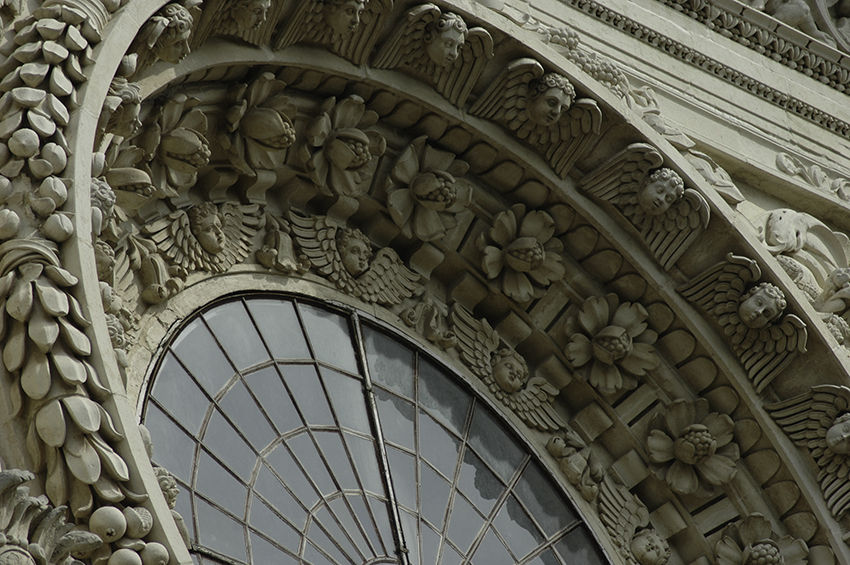
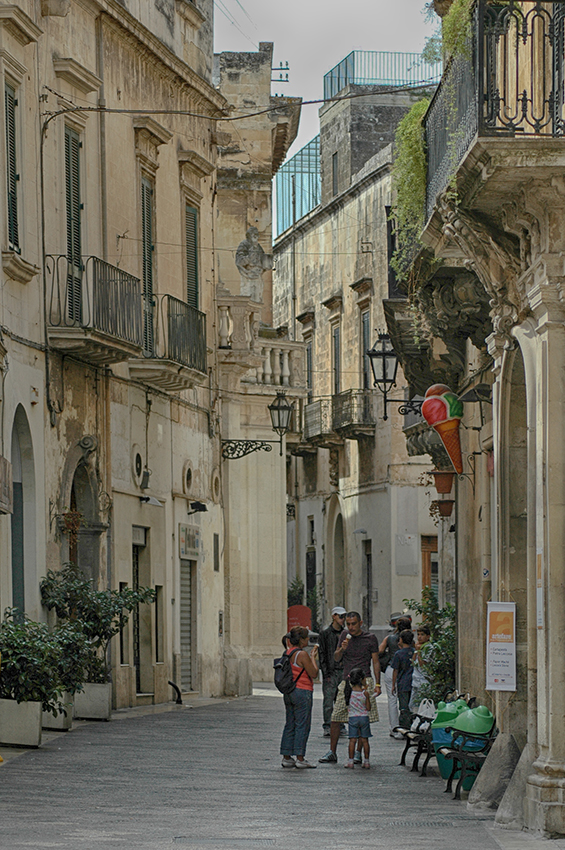
Lecce, ofton called the Florence of the South, is considered one of the most scenic towns in all of southern Italy. In 2005 it was out first destination in the Apulia/ Puglia Region. The town is known as the "Florence of the Baroque" and has buildings covered in baroque facades.
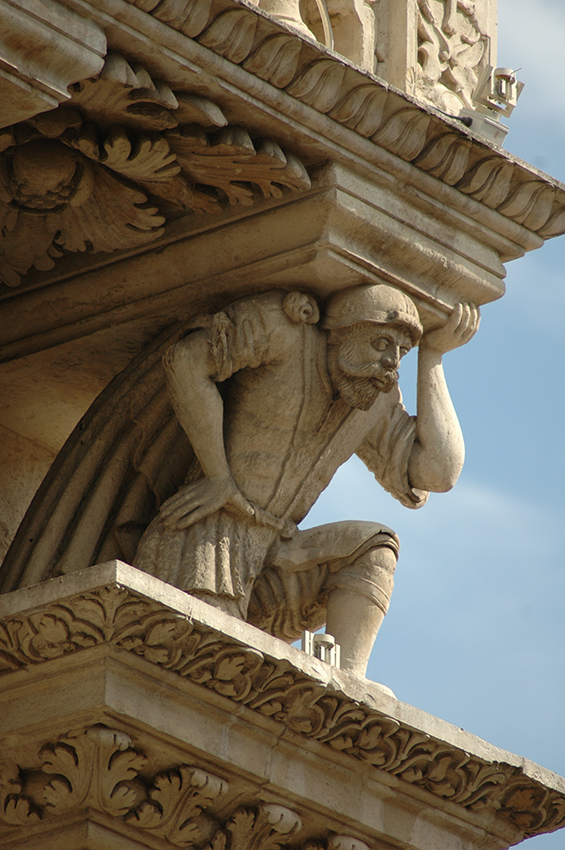
Working with a soft sandstone, artists created a local Baroque style - known as barocco leccese. The workmanship is impressive. The result is very ornate and intricate building decoration. We found the style to be similar to what we saw in the town of Noto, in Sicily - another town not to be missed.
How has all this lasted so long? Pietra di Lecce is a type of sandstone with a characteristic of being soft to carve and but then hardens with time to be like granite.
There are plenty of impressive buildings. Of course do not miss the Basilica di Santa Croce which took over a century to complete. Work started in the mid-15th century and was not finished until 1680. The upper section of the facade is a classical example of famous artist Antonio Zimbalo. Interesting decorations for a church as they include both pagan and Christian symbols: dragons, cherubs, winged Harpies, and pot-bellied mermaids.
Originally a Messapian town, Lecce flourished under Roman rule. It was in the Middle Ages, however, when the town made a mark for itself.It sits in the centre of the Salentine peninsula which was at one time somewhat of an independent country. Much of Lecce's Medieval and older structures are gone.
You will come acreoss the Piazza San' Oronzio. In 1901 workers were digging a basement for a new bank, and as they dug they discovered a roman amphitheatre with seats for some 15,000 people that dates back to the 1st century BC. The remaining level of the roman amphitheater is in pretty good condition, and you just know that significant remains continue under the buildings to the left.
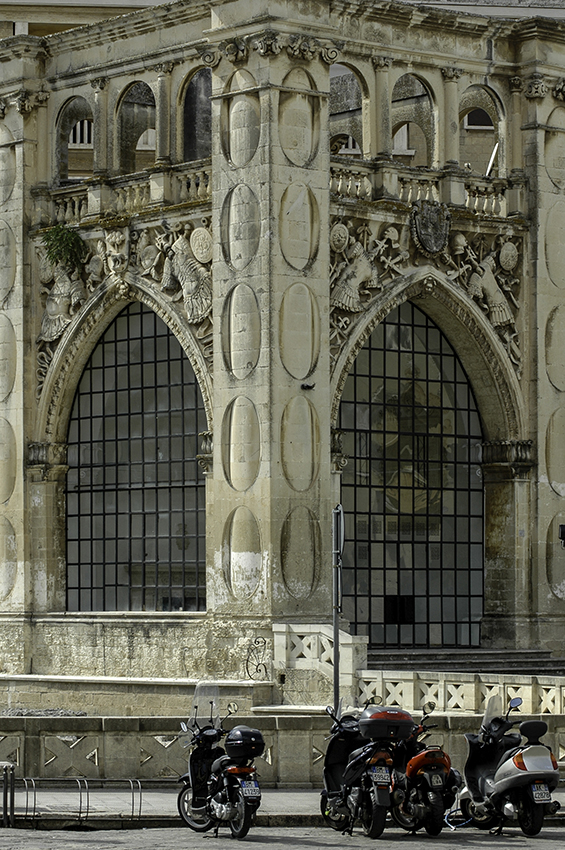
The Sedile is a small glassed-in-pavillion that was built in 1596.
The church in the Piazza is that of the Santa Maria della Grazie. Other buildings around the Piazza are modern, but the amphitheatre and the Sedile make this piazza certainly worth a look.
Just off to the right is a column which originally stood in the town of Brindisi to mark the end of the Appian Way - the famous Roman road to Rome. Lightnigh knocked the original column in Brindisi down. The town just left it there and the city of Lecce bought it, and had it shipped down, and now it stands in Lecce.
Go behind the Santa Croce and there is a peaceful park, the Giardino Pubblico and the castle built by Emperor Charles V.
The Piazza del Duomo is easy to miss. Walking down the narrow streets keep your eyes open as there is one one small alley, off the Via Vittoria Emanuele, as the only way to get into the Piazza. The cathedral has two different facades with the most ornate facing the Piazza.
The architecture is impressive
Barogue on steroids
photos: mytravellinglens.com
MARCUS TRAVEL JOURNAL
Glenn Marcus

©Glenn Marcus
All Rights Reserved